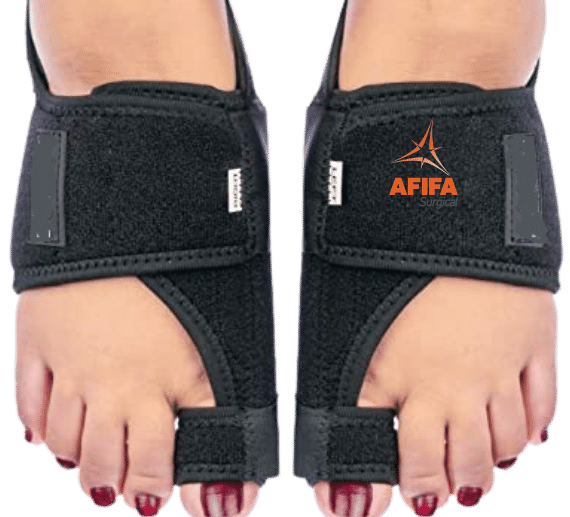
Bunion Corrector Price in Pakistan
Original price was: ₨2,499.00.₨2,399.00Current price is: ₨2,399.00.
Buy on WhatsAppIn Stock
Description
Bunion Corrector Price in Pakistan
If you are one of the many people who suffer from bunions, you are likely aware of the pain and discomfort they can cause. A bunion is a bony bump that forms on the joint at the base of the big toe, causing it to point inward. This condition can be caused by a variety of factors, including genetics, improper footwear, and foot injuries. However, the good news is that there are several effective treatment options available, one of which is a bunion corrector.
In this article, we will explore everything you need to know about bunion correctors, including what they are, how they work, and their benefits.
What is a bunion corrector?
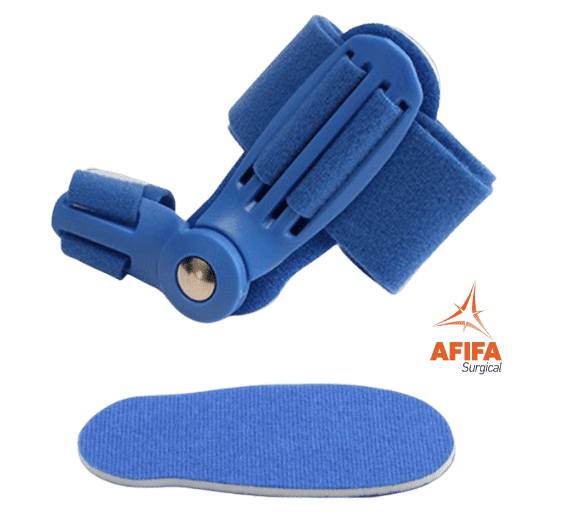
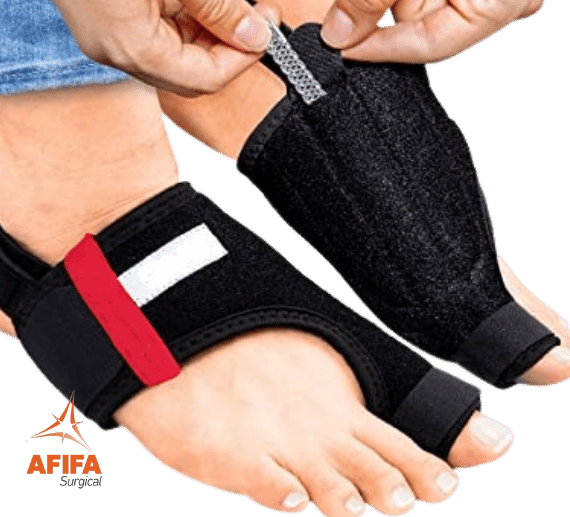
A bunion corrector is a device that is designed to alleviate the pain and discomfort associated with bunions. They work by applying pressure to the affected area, which helps to realign the joint and reduce the size of the bunion.
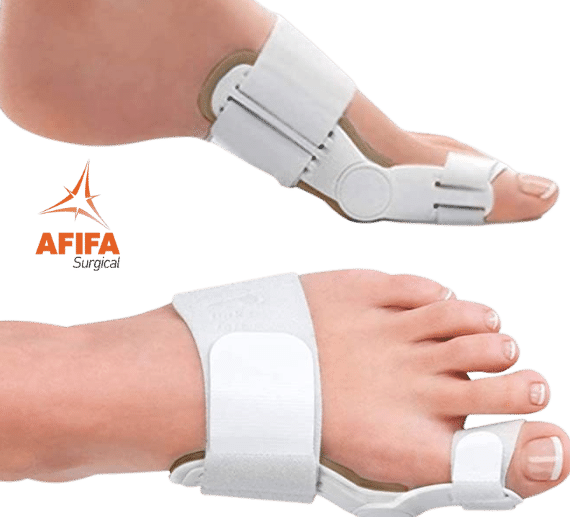
There are several types of bunion correctors available, including toe spacers, splints, and pads. Toe spacers work by separating the toes, which can help to realign the joint. Splints are worn at night and are designed to hold the big toe in place, while pads provide cushioning to the affected area.
How does a bunion corrector work?
Bunion correctors work by applying pressure to the affected area, which helps to realign the joint and reduce the size of the bunion. This can help to alleviate the pain and discomfort associated with bunions, making it easier to go about your daily activities.
Most bunion correctors are designed to be worn for several hours a day, with some models being suitable for use while sleeping. They are typically made from soft, flexible materials that are comfortable to wear.
What are the benefits of using a bunion corrector?
Using a bunion corrector can offer several benefits, including:
Pain relief
Bunions can be incredibly painful, particularly if you spend a lot of time on your feet. Using a bunion corrector can help to alleviate this pain, making it easier to go about your daily activities.
Improved mobility
Bunions can make it difficult to move around, particularly if you are wearing shoes that are too tight or uncomfortable. By using a bunion corrector, you can improve your mobility and move around more easily.
Reduced risk of complications
If left untreated, bunions can lead to a range of complications, including bursitis, hammertoes, and metatarsalgia. Using a bunion corrector can help to reduce the risk of these complications, ensuring that your feet remain healthy and pain-free.
Who can benefit from using a bunion corrector?
Anyone who suffers from bunions can benefit from using a bunion corrector. They are particularly useful for people who spend a lot of time on their feet, such as athletes, nurses, and retail workers.
Bunion correctors can also be used by people who are looking to prevent the development of bunions. By using a bunion corrector, you can help to ensure that your feet remain healthy and pain-free.
How to choose the right bunion corrector
There are several factors to consider when choosing a bunion corrector, including:
Type of bunion corrector
There are several types of bunion correctors available, including toe spacers, splints, and pads. Each type of bunion corrector works in a slightly different way, so it is important to choose the one that is best suited to your needs.
Size
It is important to choose a bunion corrector that fits properly. If the device is too small or too large, it can cause discomfort or may not work effectively. Check the sizing chart provided by the manufacturer and measure your foot accordingly to ensure a proper fit.
Material
Bunion correctors can be made from various materials, including silicone, foam, and fabric. Choose a material that is comfortable to wear and provides adequate support and cushioning to the affected area.
Brand reputation
Choose a bunion corrector from a reputable brand that is known for producing high-quality products. Read reviews from other customers to ensure that the product is effective and reliable.
Tips for using a bunion corrector
When using a bunion corrector, it is important to follow the manufacturer’s instructions carefully. Here are some additional tips to help you get the most out of your bunion corrector:
Wear the device regularly
To see the best results, it is important to wear the bunion corrector regularly. Most devices are designed to be worn for several hours a day, so be sure to wear yours consistently.
Choose comfortable footwear
Wearing comfortable footwear can help to reduce the pain and discomfort associated with bunions. Choose shoes that are roomy and provide adequate support and cushioning.
Maintain good foot hygiene
Keeping your feet clean and dry can help to prevent the development of foot problems, including bunions. Wash your feet regularly and use foot powder to help absorb moisture.
Conclusion
Bunions can be a painful and uncomfortable condition, but using a bunion corrector can help to alleviate these symptoms. With so many different types of bunion correctors available, it is important to choose the one that is best suited to your needs. By following the tips outlined in this article, you can help to ensure that your feet remain healthy and pain-free.
FAQs
- Are bunion correctors effective?
Yes, bunion correctors can be effective in reducing the size of a bunion and alleviating pain and discomfort.
- How long should I wear a bunion corrector?
Most bunion correctors are designed to be worn for several hours a day, with some models being suitable for use while sleeping.
- Can bunion correctors be used to prevent the development of bunions?
Yes, bunion correctors can be used by people who are looking to prevent the development of bunions.
- Can I wear a bunion corrector with shoes?
Yes, most bunion correctors are designed to be worn with shoes.
- Are bunion correctors comfortable to wear?
Most bunion correctors are made from soft, flexible materials that are comfortable to wear. However, it is important to choose a bunion corrector that fits properly and is made from a material that is comfortable for you.
1 review for Bunion Corrector Price in Pakistan
Waseem Akhtar –
The ordering process is quick and easy, and my instruments always arrive on time and in perfect condition.