
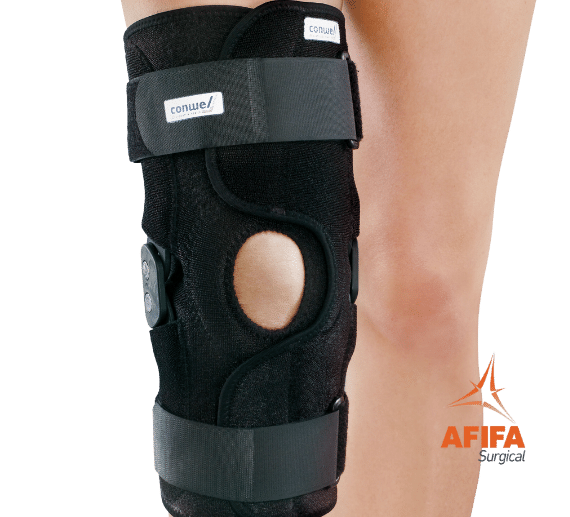
HINGED KNEE BRACE 5760 Price in Pakistan
Original price was: ₨7,300.00.₨7,200.00Current price is: ₨7,200.00.
A hinged knee brace is a type of orthopedic device that is designed to provide support and stability to the knee joint. It is equipped with hinges on either side of the joint, which allow for a greater range of motion while still providing support and stability. Hinged knee braces may be used following surgery or injury to help stabilize the joint and prevent excessive movement while the knee is healing. They may also be used to help manage conditions such as ligament instability or osteoarthritis.
Hinged knee braces are typically made of materials such as neoprene, nylon, or other synthetic fabrics, and may be worn over or under clothing. It’s important to follow the manufacturer’s instructions for proper use and care of a hinged knee brace, and to consult with a medical professional for guidance on the appropriate type of brace and any potential risks or precautions to consider.
In Stock
Description
HINGED KNEE BRACE 5760 Price in Pakistan
If you’re looking for a reliable way to support your knee and prevent injuries, a hinged knee brace might be just what you need. In this article, we’ll cover everything you need to know about hinged knee braces, including their benefits, types, and how to choose the right one for you.
What Is a Hinged Knee Brace?
A hinged knee brace is a type of knee support that is designed to provide stability and protection to the knee joint. Unlike other types of knee braces, hinged knee braces have metal or plastic hinges on the sides of the brace that allow for controlled movement of the knee joint. This makes them a popular choice for athletes and people with knee injuries.
Benefits of Using a Hinged Knee Brace
Here are some of the benefits of using a hinged knee brace:
1. Improved Stability
The hinges in a hinged knee brace provide a greater degree of stability to the knee joint than other types of knee braces. This is particularly important for people with knee injuries or instability.
2. Reduced Risk of Injury
By providing additional support to the knee joint, hinged knee braces can help reduce the risk of knee injuries during physical activities such as running, jumping, and playing sports.
3. Pain Relief
Hinged knee braces can also help relieve knee pain by reducing the pressure on the knee joint and providing additional support. This can be particularly helpful for people with conditions such as arthritis or patellofemoral pain syndrome.
4. Improved Function
By providing additional support and stability to the knee joint, hinged knee braces can help improve overall knee function, making it easier to perform physical activities without pain or discomfort.
Types of Hinged Knee Braces
There are several different types of hinged knee braces, each designed for specific types of injuries or conditions. Here are some of the most common types:
1. Prophylactic Knee Braces
Prophylactic knee braces are designed to prevent knee injuries during physical activities such as sports. They are typically made from lightweight materials and provide a high degree of mobility.
2. Functional Knee Braces
Functional knee braces are designed to provide additional support and stability to the knee joint after an injury or surgery. They are typically made from more rigid materials than prophylactic knee braces and provide a greater degree of stability.
3. Rehabilitative Knee Braces
Rehabilitative knee braces are designed to limit the range of motion of the knee joint during the recovery process after an injury or surgery. They are typically used for more severe injuries and provide a high degree of support and stability.
4. Unloader Knee Braces
Unloader knee braces are designed to provide relief for people with conditions such as arthritis by reducing the pressure on specific areas of the knee joint. They are typically used for people with moderate to severe knee pain.
How to Choose the Right Hinged Knee Brace
Choosing the right hinged knee brace can be difficult, especially with so many different types and brands available. Here are some things to consider when choosing a hinged knee brace:
1. Type of Injury or Condition
The type of injury or condition you have will determine the type of hinged knee brace you need. Talk to your doctor or physical therapist to determine the best type of brace for your specific needs.
2. Size and Fit
Make sure to choose a hinged knee brace that fits properly and is comfortable to wear. A brace that is too tight or too loose can cause additional discomfort or even lead to further injury.
3. Level of Activity
Consider your level of activity when choosing a hinged knee brace. If you’re an athlete or participate in high-impact activities, you’ll need a brace that provides a higher degree of support and stability.
4. Price
Hinged knee braces can vary widely in price, depending on the brand and type. Set a budget and choose a brace that fits within your price range.
Tips for Using a Hinged Knee Brace
Here are some tips for using a hinged knee brace effectively:
1. Follow Your Doctor’s Instructions
Make sure to follow your doctor or physical therapist’s instructions when using a hinged knee brace. They can provide guidance on how to properly wear and adjust the brace for optimal support and effectiveness.
2. Wear It During Physical Activities
Hinged knee braces are designed to be worn during physical activities, such as sports or exercise. Make sure to wear your brace during these activities to provide additional support and reduce the risk of injury.
3. Don’t Overuse It
While hinged knee braces can provide additional support and stability, it’s important not to rely on them too heavily. Make sure to engage in activities that strengthen your knee muscles to reduce the risk of future injuries.
Conclusion
A hinged knee brace can be a valuable tool for anyone looking to support and protect their knee joint. By providing additional stability, reducing the risk of injury, relieving pain, and improving knee function, hinged knee braces are an effective and accessible option for people with knee injuries or conditions. When choosing a hinged knee brace, consider the type of injury or condition, size and fit, level of activity, and price to ensure you find the right brace for your needs.
FAQs
Q1. Can a hinged knee brace be worn for everyday activities?
Yes, a hinged knee brace can be worn for everyday activities, but it’s important to make sure it fits properly and is comfortable to wear.
Q2. Can a hinged knee brace be worn on both knees?
Yes, hinged knee braces can be worn on both knees if necessary.
Q3. Can a hinged knee brace be washed?
Most hinged knee braces can be washed, but it’s important to follow the manufacturer’s instructions to avoid damaging the brace.
Q4. Are hinged knee braces covered by insurance?
It depends on your insurance plan and the type of brace you need. Check with your insurance provider to see if hinged knee braces are covered.
Q5. Can a hinged knee brace be used for running?
Yes, hinged knee braces can be used for running and other high-impact activities to provide additional support and stability to the knee joint.
1 review for HINGED KNEE BRACE 5760 Price in Pakistan

Rida Zahid –
The ordering process at AfifaSurgical was straightforward and easy to navigate – I appreciate the simplicity of it.