
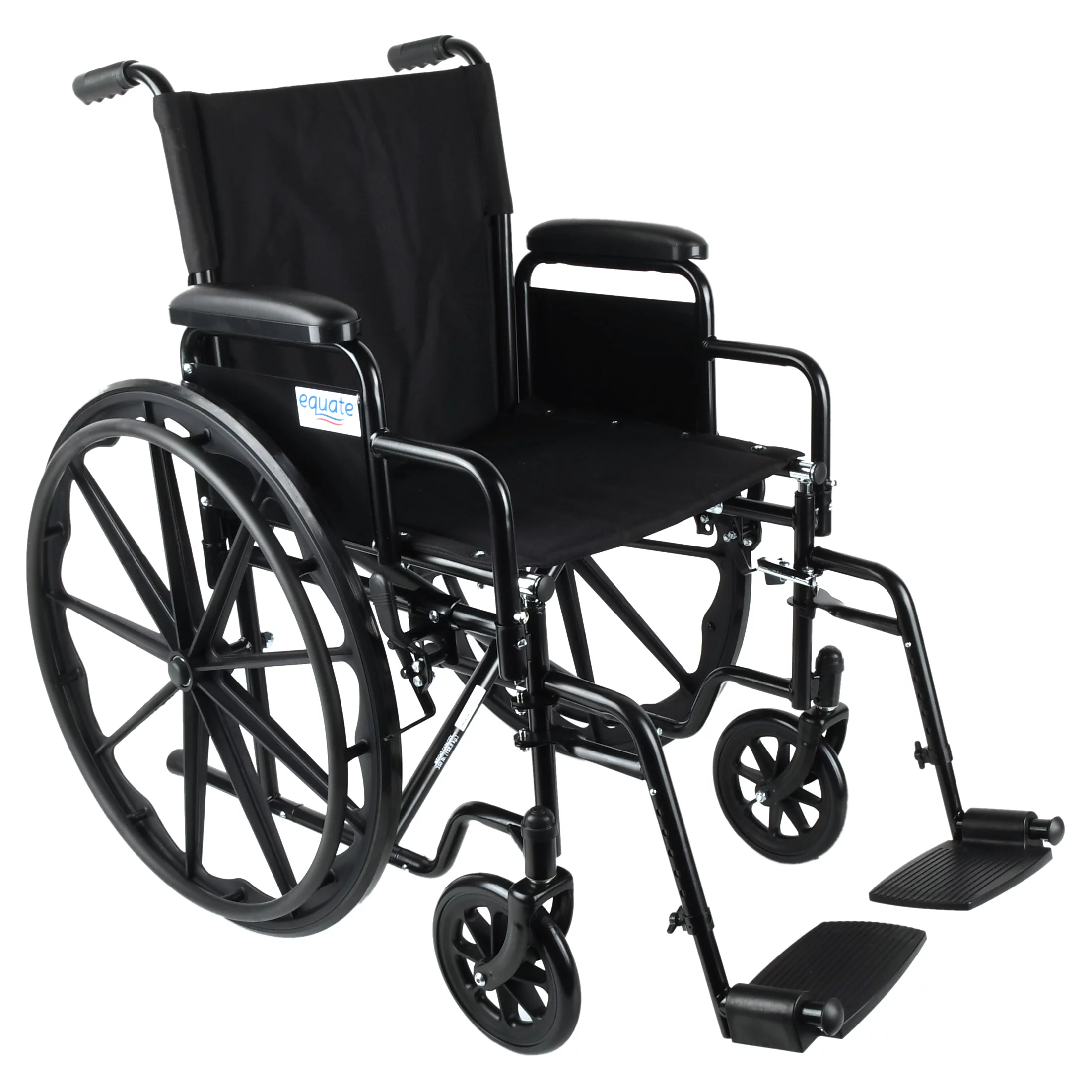
Choosing the best wheelchair in Pakistan requires matching the chair’s frame geometry, wheel configuration, and seat width to the user’s daily routine rather than buying the first generic hospital chair you see. At the same time, families and first-time wheelchair buyers often make poor purchasing decisions because of outdated social myths about wheelchair life. At Afifa Surgical (Fatima Center, 14-A Queens Road, Lahore), we help patients, athletes, and working professionals select manual, lightweight aluminum, and motorized wheelchairs engineered for active independence.
5 Common Myths About Wheelchair Users (And Why They Lead to Wrong Equipment Choices)
When family members assume a wheelchair user will stay confined to a bedroom, they buy heavy, non-adjustable hospital transport chairs that actually trap the user indoors. Clearing up these five misconceptions changes how you choose mobility equipment:
Myth 1: Wheelchair Users Are Always Frail or Bedridden
The Reality: Many people who use wheelchairs are healthy, energetic individuals living with a spinal cord injury, lower-limb amputation, post-polio mobility difference, or cerebral palsy. A wheelchair is not a sign of illness; it is a mechanical mobility tool just like eyeglasses or a car. Active users need lightweight, self-propelled 24-inch rear mag or spoke wheels with ergonomic handrims rather than tiny attendant-push rollers.
Myth 2: All Wheelchairs Fit Every Body Type
The Reality: Ordering a “standard size” chair without measuring hip width is the number-one mistake buyers make. A seat that is 2 inches too narrow pinches the greater trochanters and causes pressure sores, while a seat that is too wide forces the user to lean sideways to reach the handrims, triggering chronic shoulder and spinal curvature.

Myth 3: Wheelchair Users Cannot Travel, Work in Offices, or Play Sports
The Reality: Across Pakistan, wheelchair users lead corporate teams, practice medicine and law, drive hand-controlled cars, and compete in wheelchair cricket, basketball, and tennis. The key hardware enabler is a quick-fold anodized aluminum frame (under 13 kg) with flip-back desk-length armrests that slide cleanly under an office desk or fit into a compact sedan trunk in 15 seconds.
Myth 4: Using a Wheelchair Means Total Dependence on a Caregiver
The Reality: Dependency is usually caused by poorly chosen equipment or un-ramped thresholds, not by the user. When a patient with limited upper-body strength switches from a heavy steel manual chair to a 360-degree joystick electric wheelchair, they immediately regain the ability to move from room to room, visit local markets, and navigate ramps without waiting for an attendant.
Myth 5: Not Everyone Who Uses a Wheelchair Is Completely Unable to Walk
The Reality: Ambulatory wheelchair users include elderly osteoarthritic patients, cardiac or COPD patients, and post-surgical patients who can walk 10 to 20 meters inside the house with a walker or cane, but need a folding travel wheelchair for hospital visits, Umrah/Hajj pilgrimage, or shopping malls.
How to Choose the Best Wheelchair in Pakistan: 4 Technical Specifications
Use this comparison table to select the exact frame and wheel architecture for your daily environment:
| Specification | Option A | Option B | How to Decide |
|---|---|---|---|
| Frame Material | Chromed / Powder-Coated Steel (16 to 19 kg) | Aircraft-Grade Aluminum Alloy (11 to 13.5 kg) | Choose Steel for budget indoor/ward use; choose Aluminum if lifting into a car boot daily or using in humid coastal/bathroom areas |
| Rear Wheel Size | 24-Inch Self-Propelled Wheels (with outer push handrims) | 12-to-16 Inch Transit Wheels (attendant push only) | Choose 24-inch wheels if the user wants to roll themselves; choose small transit wheels only for tight airplane aisles or Umrah travel |
| Armrest & Footrest Style | Fixed Welded Armrests & Footplates | Flip-Back / Detachable Armrests & Swing-Away Footrests | Choose Flip-Back/Detachable whenever the user transfers sideways onto a bed, car seat, or western toilet |
| Seat Cushioning | Double-Layered Oxford Nylon Canvas | Breathable Honeycomb Mesh / Pressure-Relief Cushion | Add a 2-to-3 inch high-density foam, gel, or air cushion if the user sits in the chair for more than 3 hours a day |
Frequently Asked Questions
1. Are all wheelchair users completely unable to walk?
No. Many wheelchair users are ambulatory and can walk short indoor distances using crutches, a walking frame, or a quad cane, but rely on a wheelchair to prevent joint damage, breathlessness, or falls over longer outdoor distances.
2. Which wheelchair is best for Umrah and air travel from Pakistan?
For Umrah and airport travel, choose a lightweight aluminum folding transit wheelchair (11 to 12 kg) with fold-down backrest handles and solid puncture-proof tyres. If bringing an electric wheelchair on an airline, ensure it uses an airline-compliant dry-cell or removable lithium battery (see our imported electric wheelchairs).
3. How do I measure the right wheelchair seat width at home?
Have the user sit on a flat chair and measure the straight-line horizontal distance across the widest part of their hips or thighs using a stiff ruler, then add 1.5 to 2 inches (around one finger-width on each side) for comfortable clothing clearance.
4. Where can I test and buy wheelchairs in Lahore?
Visit Afifa Surgical, Fatima Center, 14-A Queens Road, Lahore (open 9:00 AM to 11:00 PM) to try different seat widths and frame styles in person, browse our Wheelchairs catalog online, or message us on WhatsApp at +92 334 4052948 (sales@afifasurgical.com) for nationwide Cash on Delivery.