
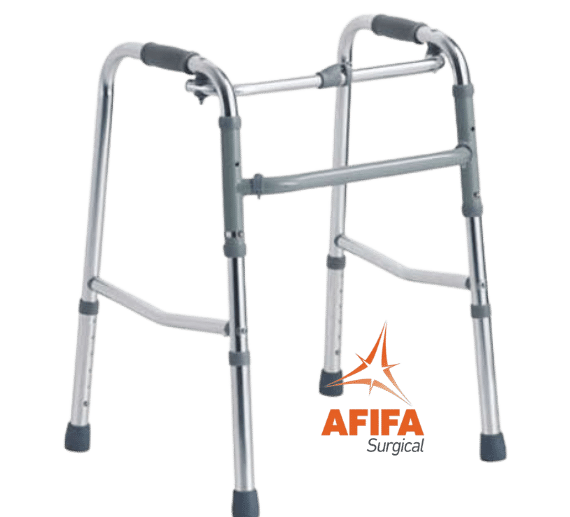
Steel Price in Pakistan
Original price was: ₨5,000.00.₨4,700.00Current price is: ₨4,700.00.
Buy on WhatsAppIn Stock
Description
Understanding the Steel Price in Pakistan
Steel is one of the most important materials in the world, with a wide range of applications in various industries. It is an essential component in construction, manufacturing, and infrastructure development. As such, steel prices can have a significant impact on the overall economy of a country. In Pakistan, the steel industry is an important contributor to the GDP, with a large number of companies involved in the production and distribution of steel products. This article will provide a comprehensive guide to the steel price in Pakistan, covering various aspects such as the factors affecting the price, the current price trends, and the future outlook for the industry.
Introduction to the Steel Industry in Pakistan
The steel industry in Pakistan has a long history, with the first steel mill established in 1948. Since then, the industry has grown significantly, with several large and small companies involved in the production of steel products. The industry is concentrated in the cities of Karachi and Lahore, with several other mills located in various parts of the country. The industry has played a vital role in the economic development of Pakistan, providing employment opportunities and contributing to the country’s overall GDP.
Factors Affecting the Steel Price in Pakistan
There are several factors that can affect the steel price in Pakistan some of which are listed below:
1. Global Steel Prices
The global steel market has a significant impact on the price of Steel Price in Pakistan. Any changes in the demand and supply of steel products in other countries can affect the prices in Pakistan.
2. Raw Material Prices
The prices of raw materials such as iron ore, coal, and scrap metal can have a significant impact on the price of steel. Any increase in the prices of these materials can lead to an increase in the price of steel products.
3. Exchange Rates
The exchange rate of the Pakistani rupee with other currencies can also affect the price of steel products. If the rupee depreciates against other currencies, the price of steel products may increase.
4. Government Policies
Government policies such as taxes, duties, and regulations can also affect the price of steel products. Any changes in these policies can lead to changes in the prices of steel products.
Current Steel Price Trends in Pakistan
The current steel price trends in Pakistan have been volatile in recent years, with fluctuations in both the domestic and global markets. In the last few years, the price of steel products in Pakistan has been affected by various factors such as the global economic slowdown, the depreciation of the rupee, and the increase in raw material prices.
However, despite the volatility, the steel industry in Pakistan has shown resilience and has managed to maintain a steady growth rate. The industry has adapted to the changing market conditions and has implemented new technologies and production processes to remain competitive.
Future Outlook for the Steel Industry in Pakistan
The future outlook for the steel industry in Pakistan looks positive, with several factors contributing to its growth. The government has announced various initiatives to boost the industry, such as the China-Pakistan Economic Corridor (CPEC) and the construction of new dams and infrastructure projects. These initiatives are expected to increase the demand for steel products in Pakistan, leading to a growth in the industry.
Furthermore, the industry is expected to benefit from the increasing urbanization and industrialization in the country, which will create a higher demand for steel products. The industry is also investing in new technologies and production processes to remain competitive and to meet the increasing demand for high-quality steel products.
Conclusion
The steel industry in Pakistan is an essential component of the country’s economy, providing employment opportunities and contributing to the GDP. The industry has faced several challenges in recent years, but it has shown resilience and has managed to maintain steady growth. The
The factors affecting the steel price in Pakistan are complex, including global steel prices, raw material prices, exchange rates, and government policies. However, the industry has adapted to these challenges and has implemented new technologies and production processes to remain competitive.
Looking to the future, the steel industry in Pakistan has a positive outlook, with several initiatives and trends contributing to its growth. The industry is expected to benefit from the increasing demand for steel products driven by infrastructure and construction projects, urbanization, and industrialization.
FAQs
1. What is the steel industry in Pakistan?
The steel industry in Pakistan comprises several companies involved in the production and distribution of steel products, such as steel bars, sheets, and pipes.
2. What are the factors affecting the steel price in Pakistan?
Several factors affect the steel price in Pakistan, including global steel prices, raw material prices, exchange rates, and government policies.
3. What is the current steel price trend in Pakistan?
The current steel price trend in Pakistan has been volatile in recent years, with fluctuations in both the domestic and global markets.
4. What is the future outlook for the steel industry in Pakistan?
The future outlook for the steel industry in Pakistan is positive, with several initiatives and trends contributing to its growth. The industry is expected to benefit from the increasing demand for steel products driven by infrastructure and construction projects, urbanization, and industrialization.
5. What measures are being taken by the steel industry in Pakistan to remain competitive?
The steel industry in Pakistan is investing in new technologies and production processes to remain competitive and to meet the increasing demand for high-quality steel products.
Final Thoughts
In conclusion, the steel industry in Pakistan is an important contributor to the country’s economy, with several companies involved in the production and distribution of steel products. The industry has faced several challenges in recent years, including fluctuations in the global steel market and the increase in raw material prices. However, the industry has shown resilience and has managed to maintain steady growth. Looking to the future, the industry has a positive outlook, with several initiatives and trends contributing to its growth. The industry is expected to benefit from the increasing demand for steel products driven by infrastructure and construction projects, urbanization, and industrialization. By investing in new technologies and production processes, the industry is well-positioned to remain competitive and to meet the increasing demand for high-quality steel products.
1 review for Steel Price in Pakistan

Bilal Ahmed –
The instruments I have purchased from AfifaSurgical are easy to use and have helped me to provide better care for my patients.